01
A face, at sitting distance
The productElva does not walk the floor. It is a face for rooms that already pay for someone to sit there: care, training, research, a desk that greets.
Elva holds eye contact, answers with a real expression, and remembers who you are. A humanoid robot face for companionship and care that lasts.
People, not renders. Thousands of hours of expression from those faces. That is what the motors were trained on.
Five continents, a full range of age and ethnicity. The dataset is not one region's idea of a face.
Care, training, hospitality, research — rooms that already pay for a person to sit there, and the settings around them.
Thirteen in the mouth, twelve in the eyes, three in the neck, plus the cheek pair of a real smile and the lift of the nose.
Companion. Care. Educate. Research.
Elva sits at conversation distance. A super-bionic humanoid face, made for a room with chairs, not a stage.
Head, perception, and the data that taught the motors. Every line is a capability that ships.
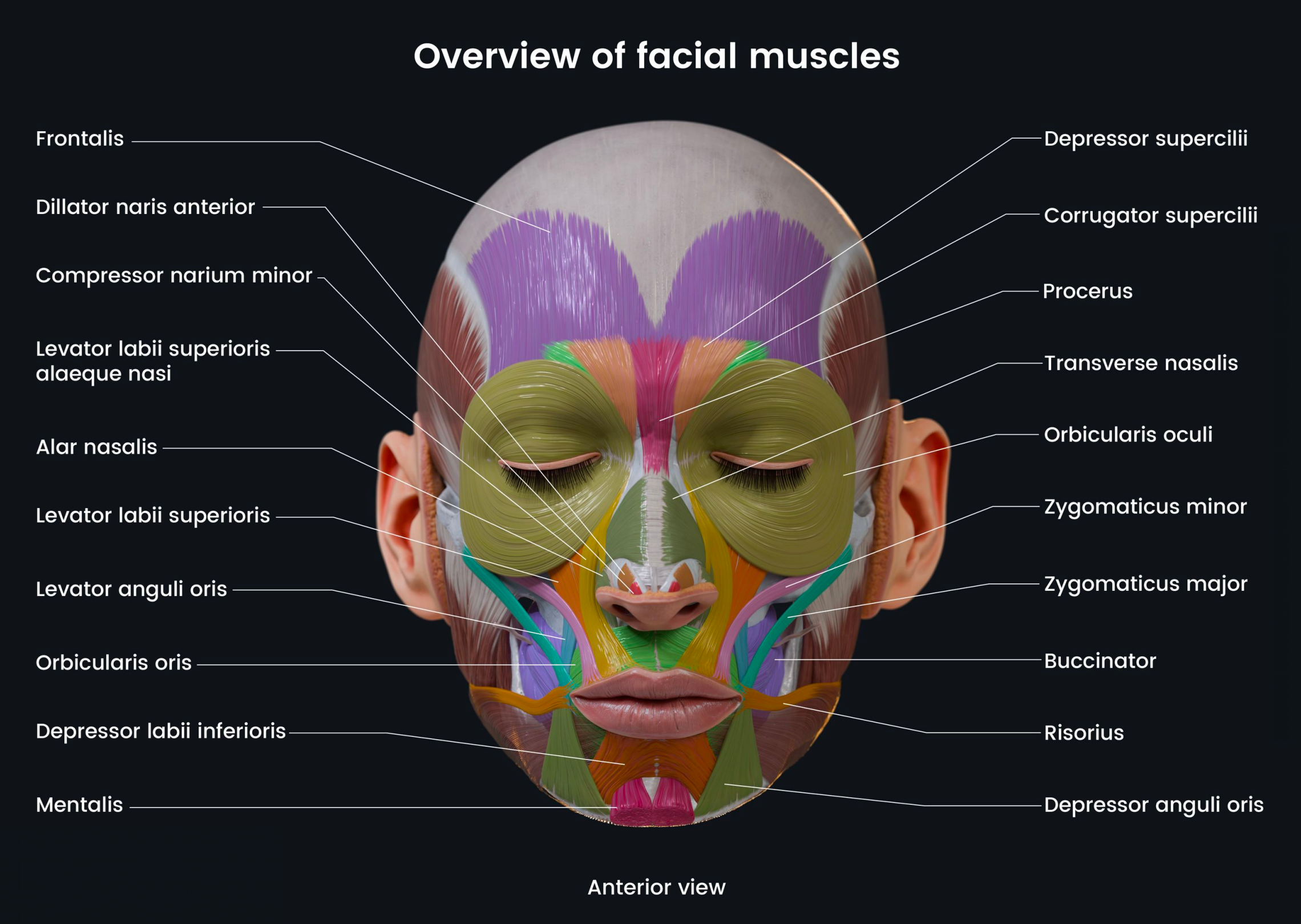
Frontalis, orbicularis oculi, zygomaticus major, orbicularis oris: each pulls a different path. Thirty-one degrees of freedom follow those paths, which is why a real smile and a polite one are not the same motor.
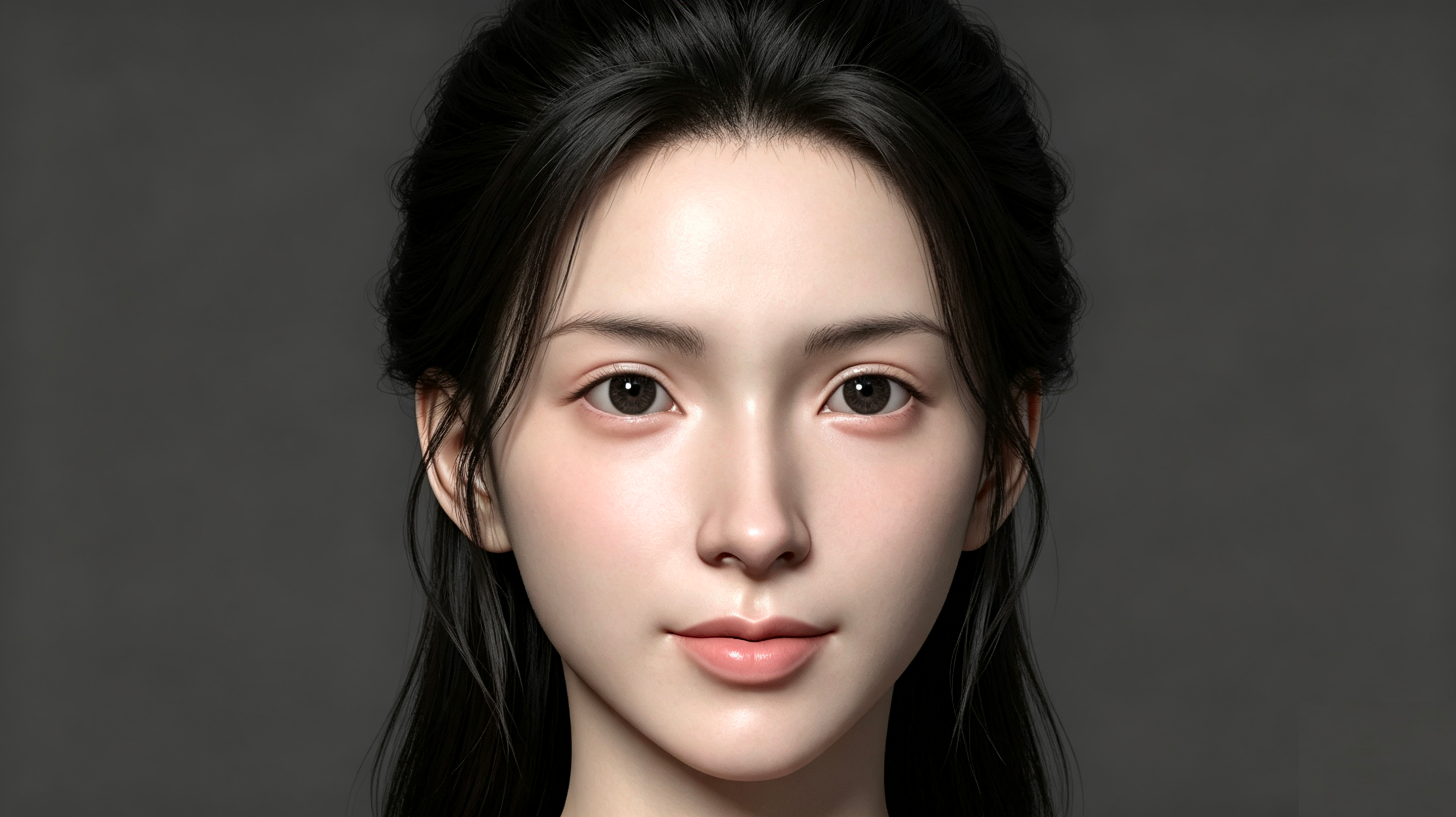
Likeness first, then the sculpt, then the mechanism has to fit inside. Most robot faces fail at that last step.
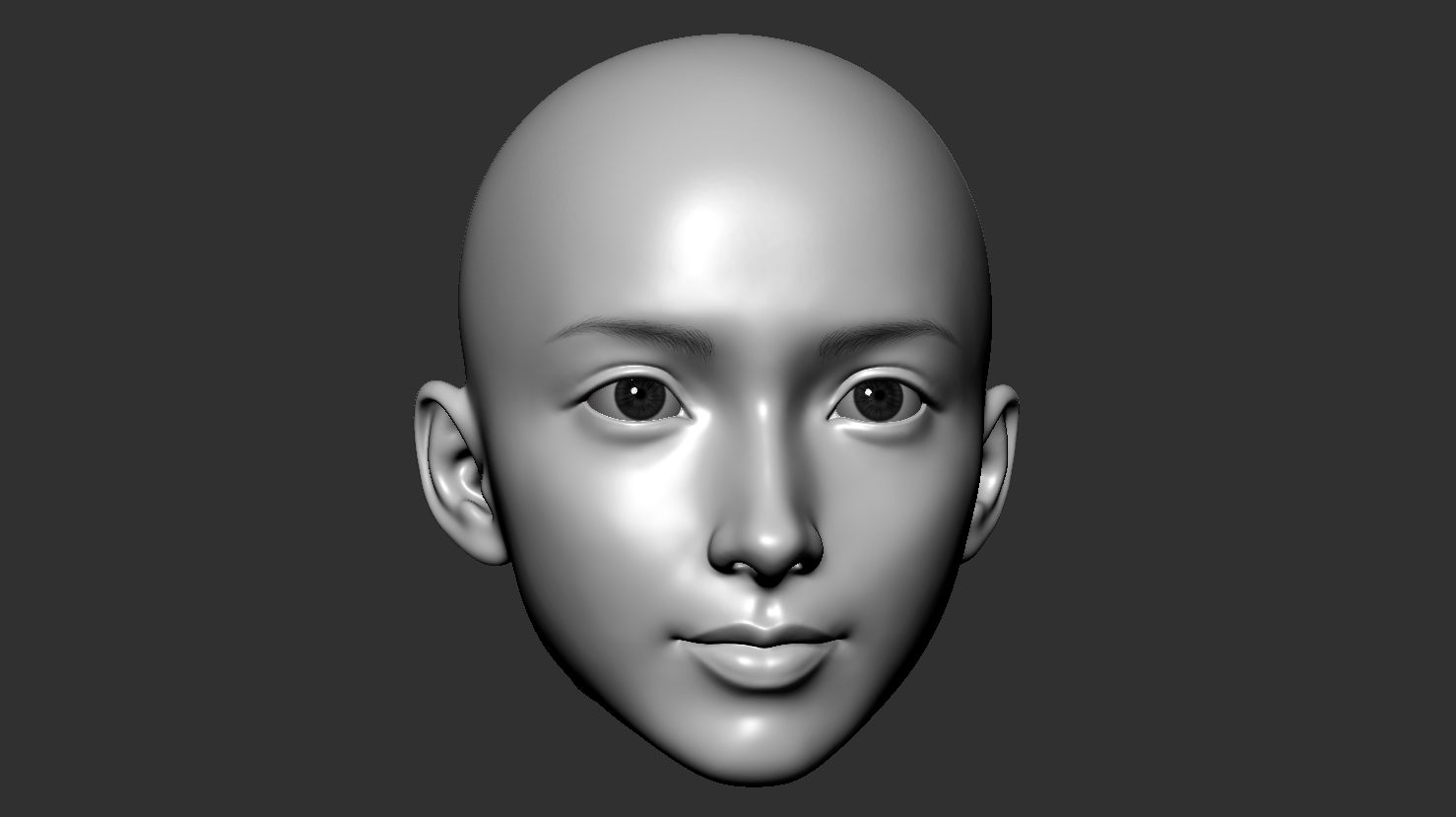
Proportion, age, the resting face. What you decide here cannot be patched later.
Structure in 3D, against the muscle map. Surfaces that have to deform are placed before any actuator is chosen.

Thirty-one degrees of freedom behind silicone, then tuned until a smile reads as a smile, not as a twitch.
These thirty-two are generated likenesses of that range — age, country, bone. Not the three million themselves.
Likenesses across the countries the motors were taught on.
Eye contact that stays. Attention that turns toward you. Micro-movements that follow the talk, so the person across from it feels seen.
A real smile and a polite one use different muscle. Elva puts that difference in the mechanism, so the face matches the sentence.
The last conversation, the last mood, the story from before. Companionship only works if it continues.
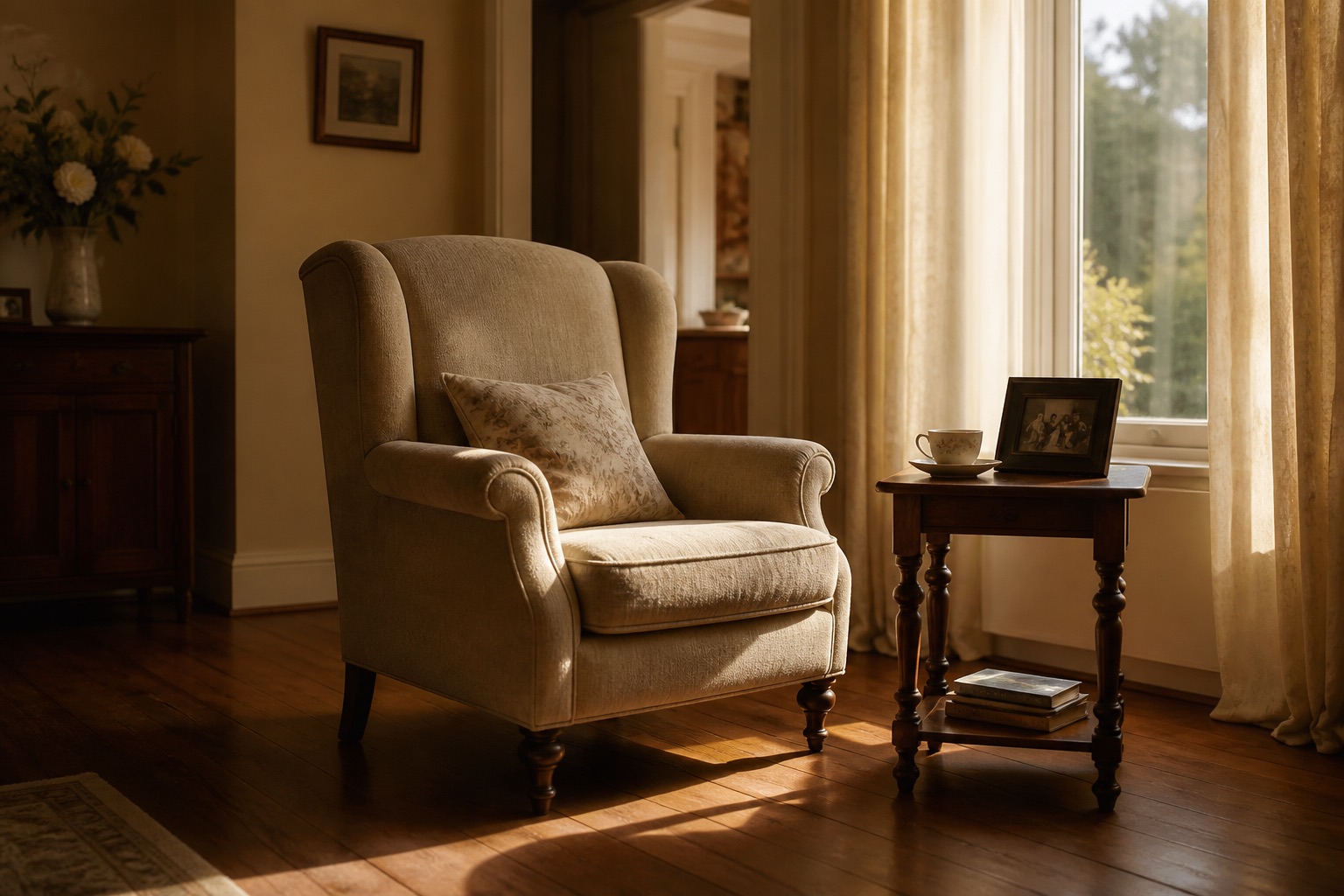
A patient companion for reminiscence, routine, and company. Companionship only. Not diagnosis, not a stand-in for staff.
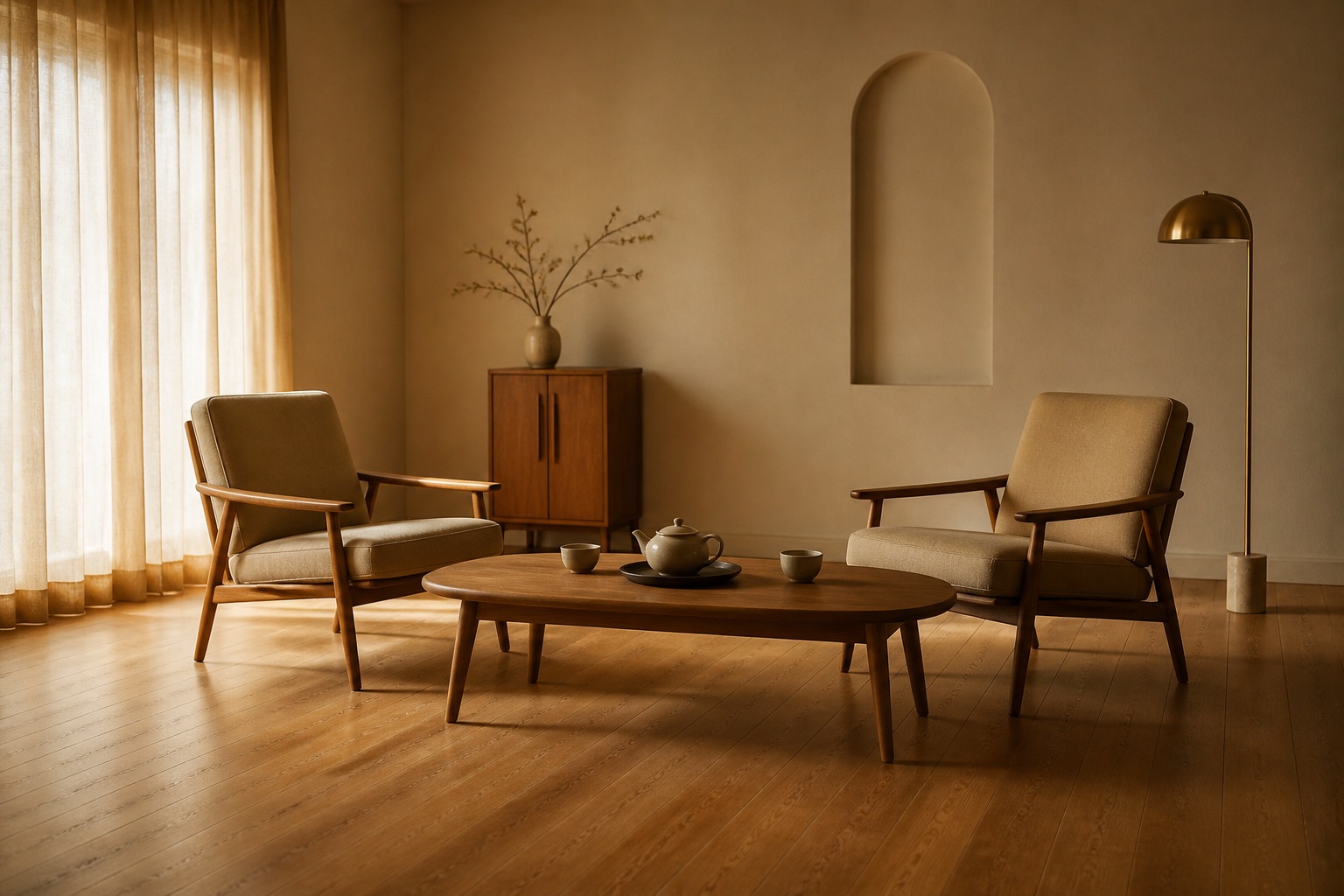
Sitting room · Late afternoon
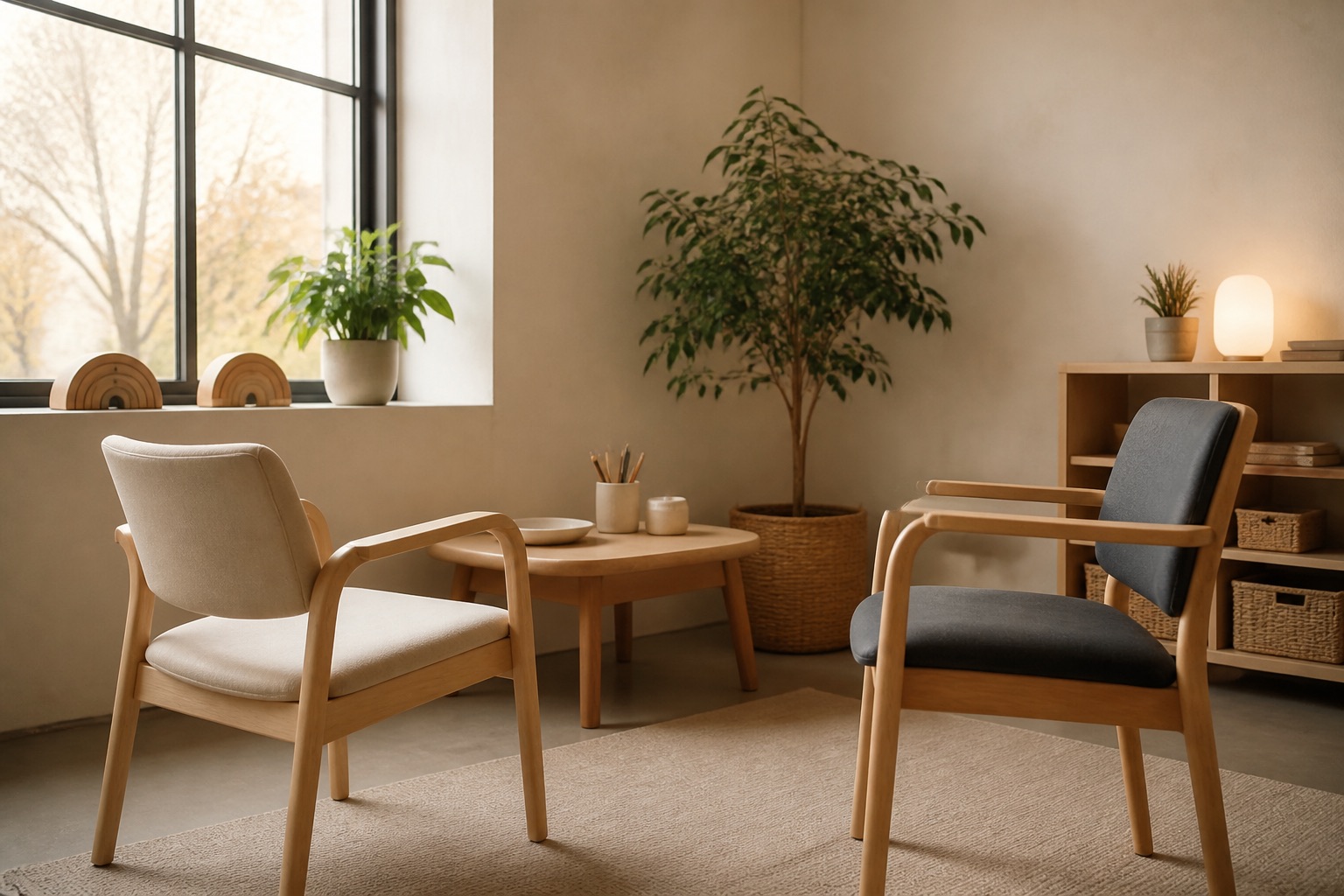
Expression and gaze can be set so a training partner stays readable, never a stare. Useful for turn-taking and naming emotion, without overwhelming the person across from it.
Two chairs · A readable hour
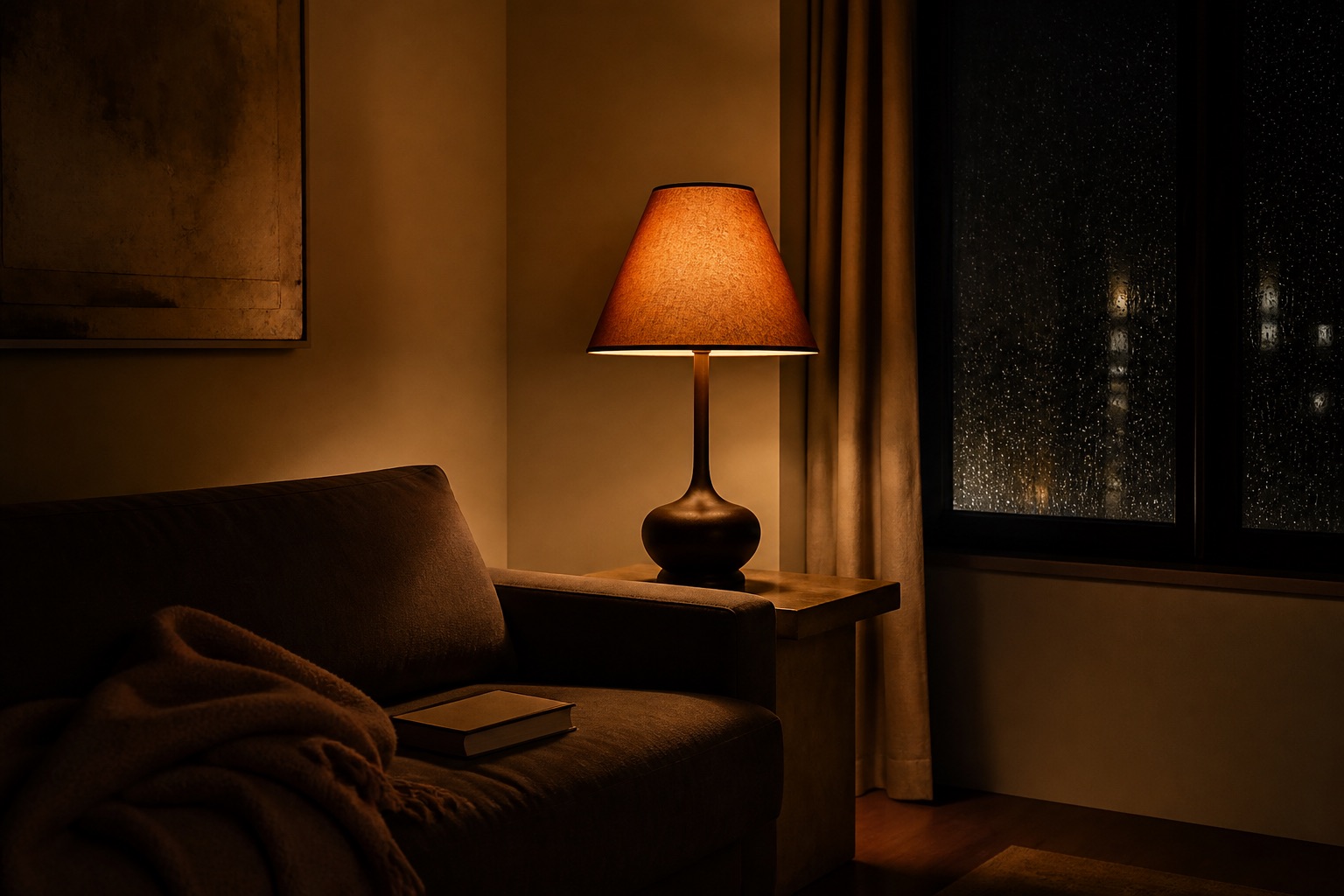
A listener that reads the room and does not score the person. A private place to talk when the hour is heavy.
Evening lamp · Rain on the glass
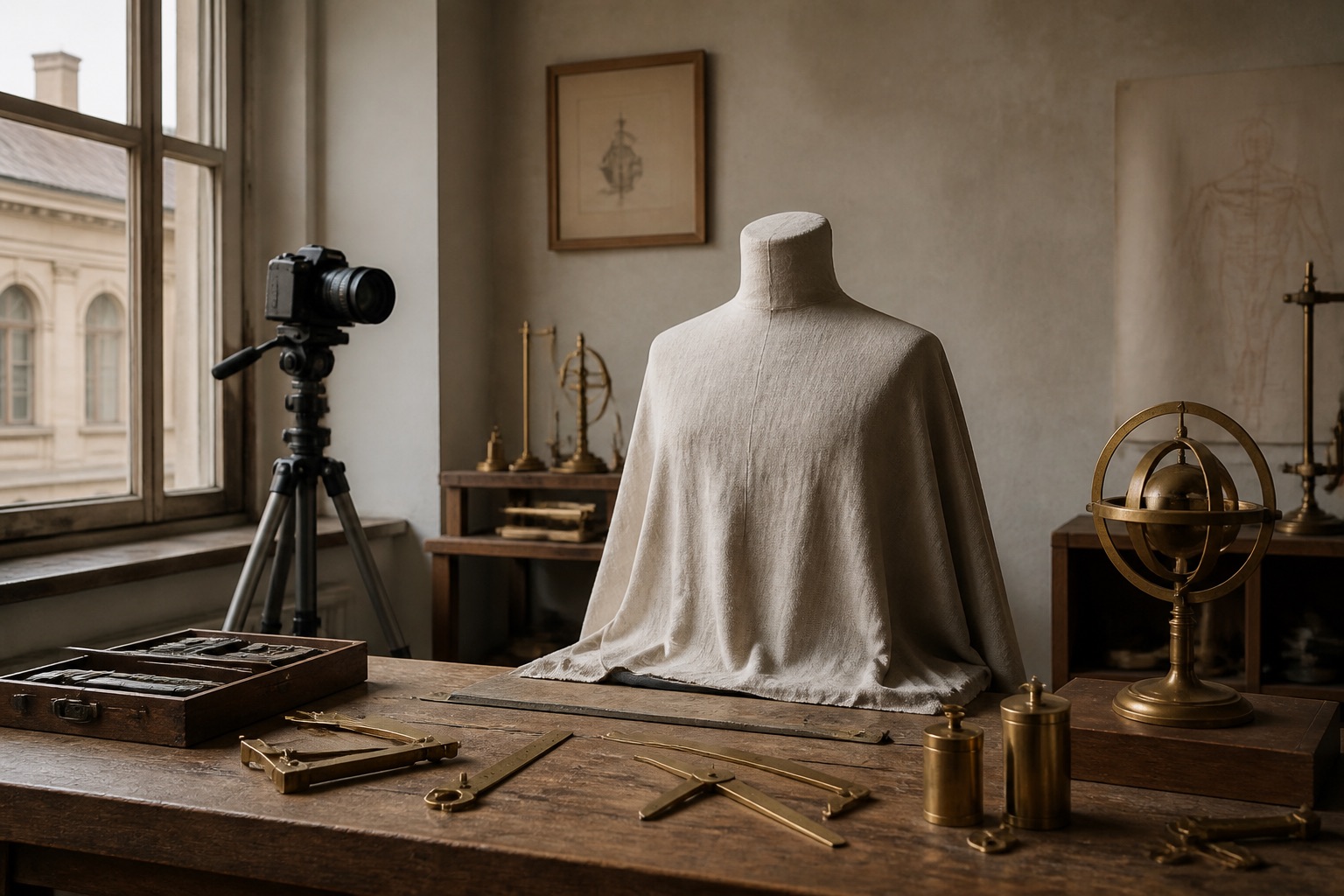
A physical face for universities and labs: study, teaching, demonstration. Identity and knowledge held constant across sessions.
Studio bench · Daylight
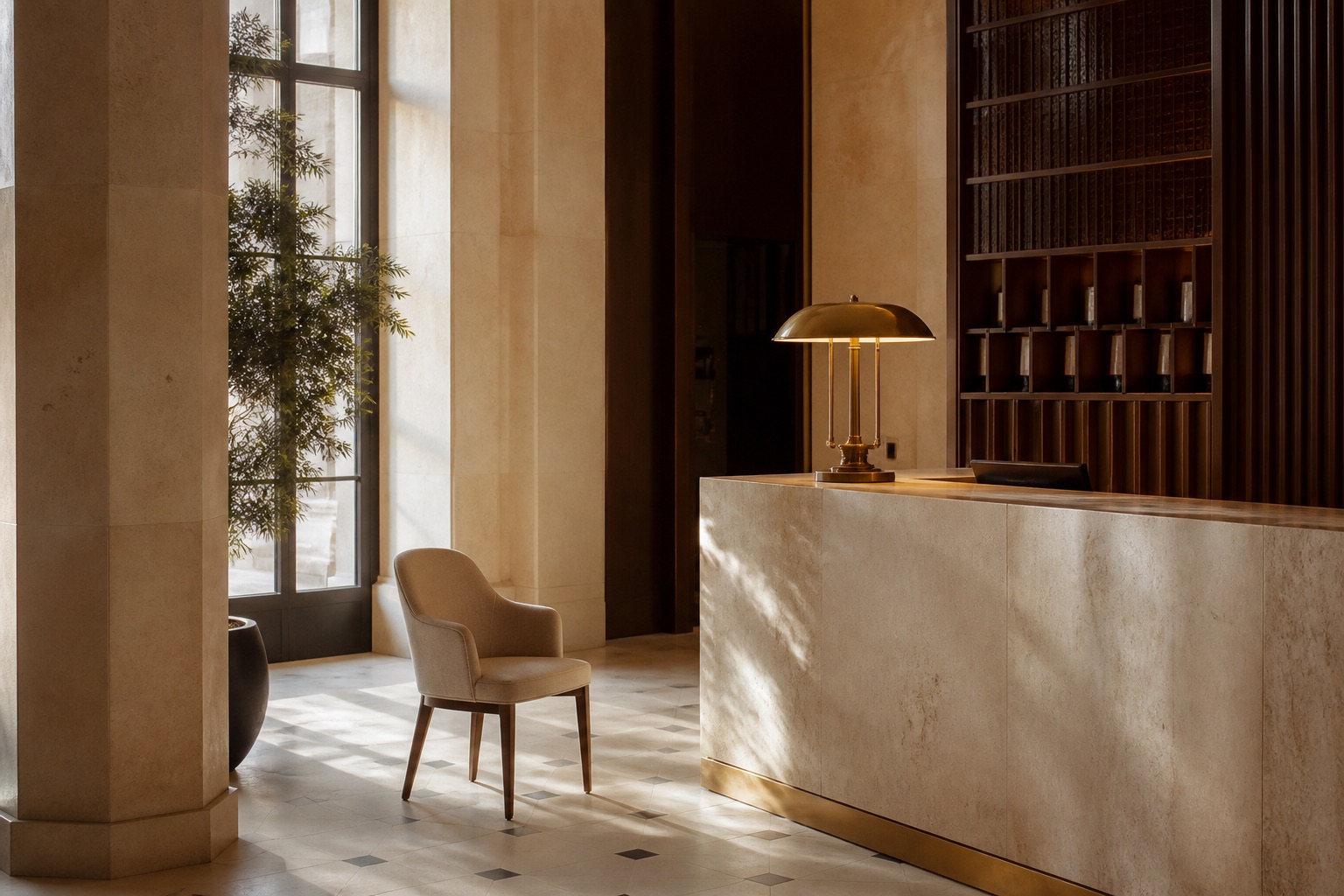
Concierge, lobby, brand desk. A face that can greet and wait, without becoming a kiosk or a mascot.
Lobby desk · Afternoon
Demo, then one room, then the operator.
A real face in a real room. Not a slide deck.
One setting. Identity, knowledge and personality locked. The test is whether people leave it there overnight.
Language, role, rest cycle. GDPR by design. Regional partners welcome.
Eyes close. Cameras and microphones go off with them. Rest is a hardware state, not a software promise.
Expression is computed on the device. Camera frames never leave the unit. What happens in the room stays in the room.
Care notes, family stories, house rules: named by the operator. It does not search the open web.
GDPR from the start
Care operators, universities, regional partners, tailored rooms.
Book a demo